0
+

Begin your aviation journey by earning your Instrument Rating (IR).
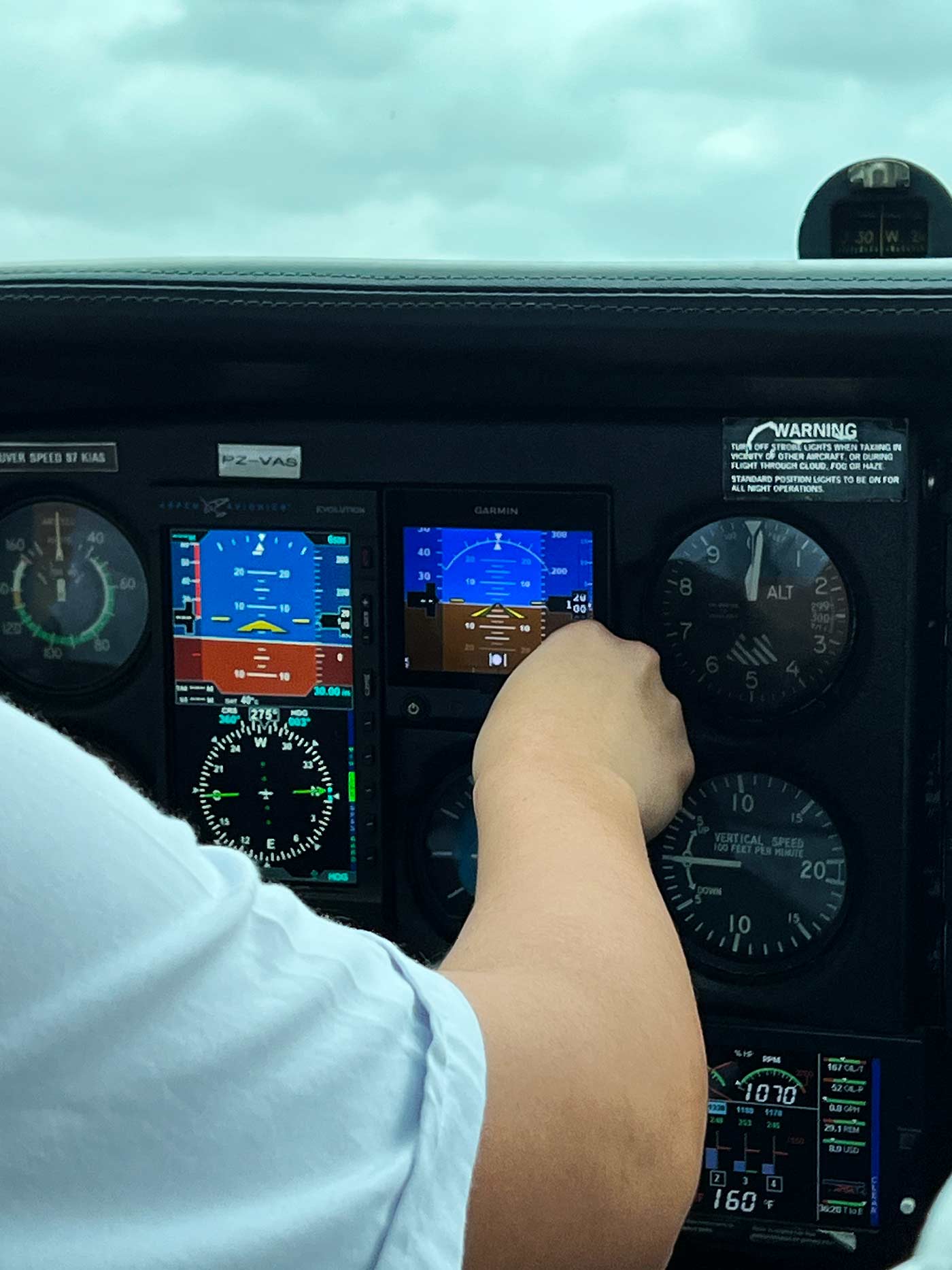
The aim of the Instrument Rating (IR) course is to train pilots to the level of proficiency necessary to operate single-engine aeroplanes under Instrument Flight Rules allowing pilots to fly in low-visibility by relying solely on cockpit instruments, rather than visual references.
What You Will Learn:
Our comprehensive curriculum covers all essential aeronautical knowledge areas, including:
You will receive detailed ground school instruction and comprehensive pre-flight and post-flight briefings.
Discover how you can become part of an academy committed to excellence in flight training, offering affordable and personalized programs in the Caribbean. We are here to help you navigate the requirements and application process.
An Instrument Rating (IR) allows a pilot to fly an aircraft using only the aircraft’s instruments for navigation and control, without relying solely on outside visual references. This rating enables pilots to operate safely in conditions of reduced visibility such as clouds, fog, rain, or at night under Instrument Flight Rules (IFR).
With an Instrument Rating, pilots can significantly expand their flying capabilities, making flights safer, more reliable, and less dependent on weather conditions. It also allows access to more controlled airspace and improves overall navigation and decision-making skills.
For pilots pursuing a professional aviation career, the Instrument Rating is an essential qualification and an important step toward advanced certifications such as the Commercial Pilot License and airline-level training.
Time and Motivation
Our Instrument Rating (IR) program is designed to be intensive and focused, providing students with the professional knowledge and flight experience required to operate at a commercial level. The training prepares you not only to obtain your IR, but also to continue advancing in professional aviation, including further ratings and career opportunities in the industry.
Language
All applicants must be able to read, speak, and understand English, as it is the international standard language of aviation. In addition, applicants must hold at least a Level 4 English Language Proficiency Certificate.
Medical Examination
All applicants must hold a valid CASAS Class 1 Medical Certificate, which is required for commercial pilot operations. We recommend obtaining your medical certificate before starting the training. For more information on how to complete your medical examination, please contact our office and one of our instructors will gladly guide you through the process.
Age
Applicants must be at least 17 years of age.
Achieve your aviation dreams with high-quality training programs designed to be accessible in the Caribbean region.
Benefit from training tailored to your individual needs and pace, ensuring you get the most out of your studies.
Gain the qualifications and support needed to pursue diverse and exciting career opportunities in the aviation industry.
The duration of the IR course is completely flexible and can be tailored by our instructors to meet your individual time constraints, budget and entry level. You determine when you fly, brief or attend theory classes. Our classes, for that reason, are all taught one by one.
The length of your training vary from a couple of weeks to up to a year for people that have time and budget constraints.
During the private pilots course you will be taught the basics on the following subjects
Advanced Human Factors
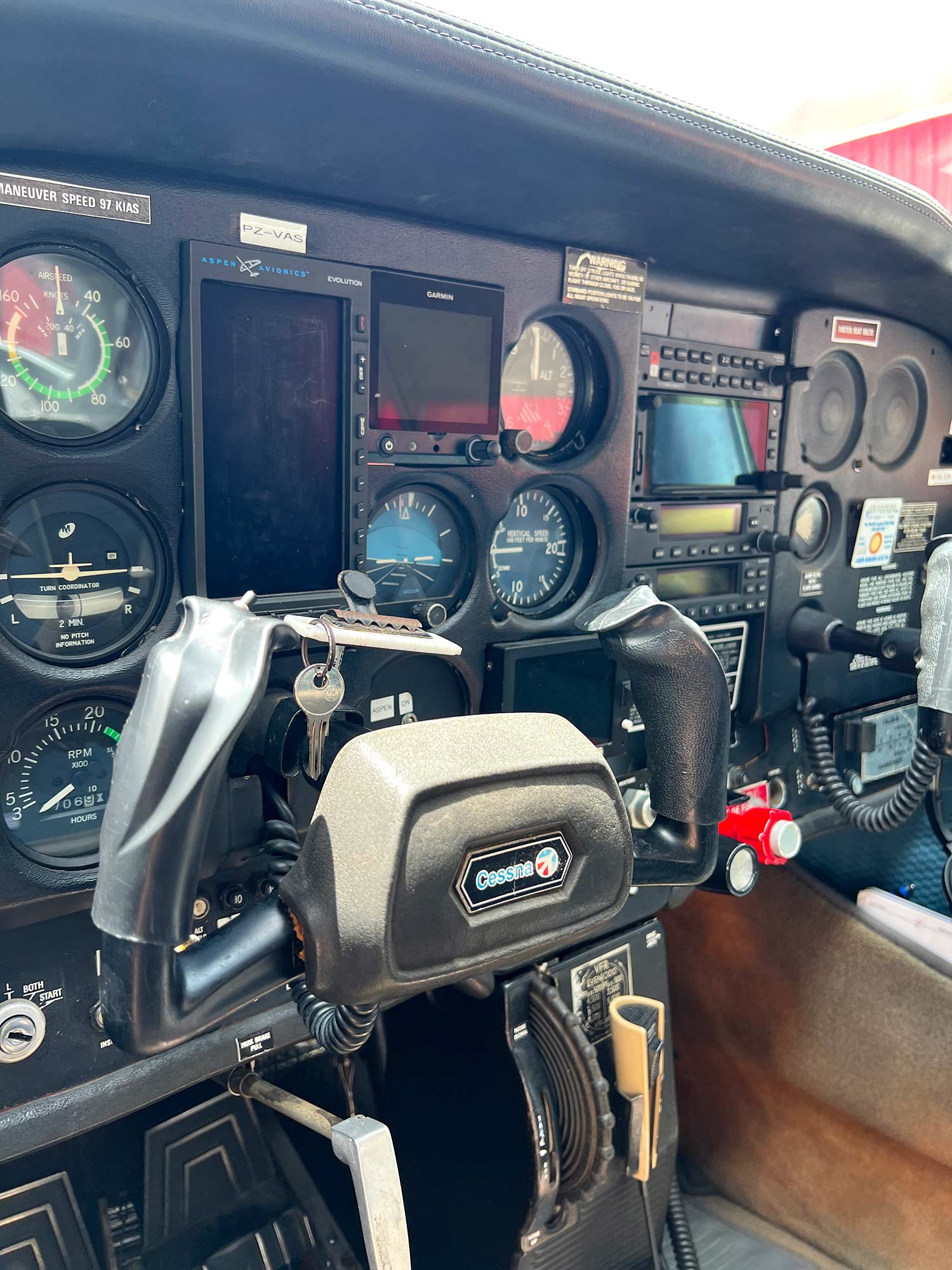
Flight Instrument Systems
Attitude Instrument Flying
Instrument Navigation
Enroute Procedures
Holding Procedures
Arrival Procedures
Approach Procedures
RNAV, ILS, VOR and NDB Approaches
Weather Factors and Hazards
IFR Flight Planning